While Nara is famous for Todaiji Temple and Nara Park, there are actually many wonderful hidden spots that only locals know about. Today, we’ll introduce you to Nara’s hidden charms that are not yet well-known to tourists, complete with detailed information about their history, access, and best experiences.
1. Cherry Blossoms of Mount Yoshino (Spring-limited spectacular view)
History and Origin
Mount Yoshino has been revered as a sacred mountain since ancient times, with cherry trees first planted by En no Gyoja in the 7th century. The mountain became a spiritual center for Shugendo practitioners, who planted sakura trees as offerings to the gods. Over 1,300 years, this tradition has created one of Japan’s most spectacular cherry blossom landscapes.
What Makes It Special
Mount Yoshino boasts approximately 30,000 cherry trees of four different varieties (Shimo-senbon, Naka-senbon, Kami-senbon, and Oku-senbon) that bloom at different elevations, creating a cascading wave of pink and white blossoms from early to late April.
Access
From Nara Station: Take Kintetsu line to Yoshino Station (1 hour), then cable car or bus to various viewing areas. The Oku-senbon area requires a 2-hour hike but offers the most secluded experience.
Best Experience
- Stay overnight at a traditional ryokan to witness both sunrise and sunset views
- Experience the early morning mist creating an ethereal atmosphere
- Enjoy evening illuminations (hanami) that transform the mountain into a fairy tale landscape
Best Season
Early to mid-April for peak blooms, though each elevation offers different timing. Check the official bloom forecast before visiting.
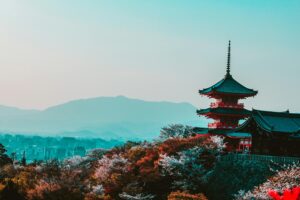
2. Muroji Temple (Beautiful five-story pagoda of Women’s Koyasan)
History and Origin
Founded in the late 8th century, Muroji Temple earned the nickname “Women’s Koyasan” because it welcomed female worshippers when Mount Koya was forbidden to women. The temple was established by the monk Kenko and became a center for Shingon Buddhism.
What Makes It Special
The five-story pagoda, built in the early 9th century, stands at only 16.1 meters tall, making it Japan’s smallest outdoor five-story pagoda. Despite its size, it’s considered one of the most perfectly proportioned pagodas in Japan, harmoniously integrated with the surrounding forest.
Access
From Nara: Take JR line to Haibara Station (45 minutes), then bus to Muroji-mae (15 minutes). A 10-minute walk through ancient cedar forests leads to the temple grounds.
Best Experience
- Climb the stone steps through the moss-covered forest to reach the pagoda
- Experience the meditative journey with over 400 stone steps winding through towering cedars
- Visit the Kondō (Golden Hall) housing important Buddhist statues
Best Season
Late November for spectacular autumn colors, when maple leaves create a fiery backdrop for the pagoda. Early morning visits offer the most serene atmosphere.
3. Hasedera Temple (Temple of Flowers)
History and Origin
Established in 686 AD, Hasedera Temple is famous for its 11-faced Kannon statue, carved from a single camphor tree. Legend says the statue was carved by the monk Tokudo and has been protecting worshippers for over 1,300 years.
What Makes It Special
The temple is renowned for its seasonal flowers, particularly peonies (botan) in late April to early May. Over 150 varieties of peonies bloom throughout the temple grounds, creating a spectacular carpet of colors from white to deep crimson.
Access
From Nara: Take Kintetsu line to Hasedera Station (30 minutes), then a 15-minute walk through the traditional town of Hase.
Best Experience
- Walk the covered wooden corridor (nobori-rōka) with 399 steps leading to the main hall
- Enjoy different seasonal floral displays: cherry blossoms in spring, hydrangeas in summer, and autumn leaves in fall
- Participate in morning prayer services for a spiritual experience
Best Season
Late April to early May for peonies, but each season offers unique beauty. Winter visits provide a peaceful, contemplative atmosphere with fewer crowds.
4. Ishibutai Kofun in Asuka
History and Origin
Built in the late 6th to early 7th century, this megalithic tomb is believed to be the resting place of Soga no Umako, a powerful political figure during the introduction of Buddhism to Japan. The name “Ishibutai” means “stone stage,” referring to its massive capstone.
What Makes It Special
The tomb consists of 30 massive granite stones, with the largest capstone weighing approximately 77 tons. The precision of construction without modern machinery demonstrates the advanced engineering skills of ancient Japan. The burial chamber can be entered, offering a rare glimpse into ancient funeral practices.
Access
From Nara: Take Kintetsu line to Kashihara-jingu-mae Station (25 minutes), then bus to Ishibutai (20 minutes). Rent a bicycle at the station for a scenic ride through Asuka’s countryside.
Best Experience
- Explore the burial chamber interior with a flashlight
- Experience the otherworldly atmosphere created by the acoustic properties
- Visit nearby Takamatsuzuka Tumulus and Asuka Historical Museum to understand the broader context of ancient Asuka culture
Best Season
Spring for cherry blossoms and mild weather, or autumn for comfortable hiking conditions. Early morning or late afternoon provides the best lighting for photography.
5. Shigisan Chogosonshiji Temple
History and Origin
Founded in 594 AD by Prince Shotoku, this temple is dedicated to Bishamonten, the Buddhist god of war and protector of the righteous. The temple played a crucial role in protecting the region from evil spirits and has been a pilgrimage site for over 1,400 years.
What Makes It Special
Perched on Mount Shigi at 437 meters elevation, the temple offers panoramic views of the Yamato Basin. The main hall houses a rare standing statue of Bishamonten, and the temple complex includes several important cultural properties dating from the Kamakura period.
Access
From Nara: Take JR line to Kawai Station, then bus to Shigisan-shita (40 minutes total), followed by a cable car or 30-minute hike up the mountain.
Best Experience
- Time your visit for sunset to witness the “golden hour” illuminating the valley below
- Experience the temple’s evening prayer services creating a mystical atmosphere with chanting echoing across the mountainside
- Stay for night photography of the illuminated valley
Best Season
Autumn for clear skies and spectacular colors, or winter for possible snow-covered landscapes and exceptional visibility. Sunset visits are magical year-round but especially stunning during clear autumn evenings.
Planning Your Hidden Gems Journey
These five hidden treasures of Nara each offer unique experiences that reveal different aspects of Japan’s rich cultural heritage. From ancient burial practices to Buddhist spirituality, from seasonal natural beauty to architectural marvels, these sites provide deeper insights into Nara’s significance beyond its famous deer park.
For the complete experience, plan a 3-4 day itinerary allowing time to fully appreciate each location’s unique atmosphere and historical significance. Consider staying in traditional accommodations near each site to experience the local culture and cuisine.
These hidden spots are all places where you can discover new charms of Nara away from the crowds. Please be sure to visit them when you come to Nara next time – each one offers a unique window into Japan’s ancient soul and natural beauty.